
What are they?
Retaining walls are engineered structures built to hold back soil, rock, or other materials where ground levels change. They create stable, usable areas in spaces that would otherwise be unsafe or impractical due to sloping or shifting terrain. Retaining walls can be made from a variety of materials — including concrete, stone, or modular systems — depending on project requirements, site conditions, and desired aesthetics.
By combining structural strength with geotechnical design, retaining walls provide both function and form, delivering safety while often enhancing the appearance and usability of a site.
When are they needed?
Retaining walls are typically required when construction or landscaping takes place on sloping ground. They provide essential support where soil would otherwise collapse or slide, particularly near roads, buildings, or public spaces. They are also used to maximise usable land, creating flat platforms for housing, commercial development, gardens, or infrastructure.
In addition, retaining walls are vital in areas exposed to erosion or heavy water flow, helping prevent long-term ground movement and protecting investments in built environments.
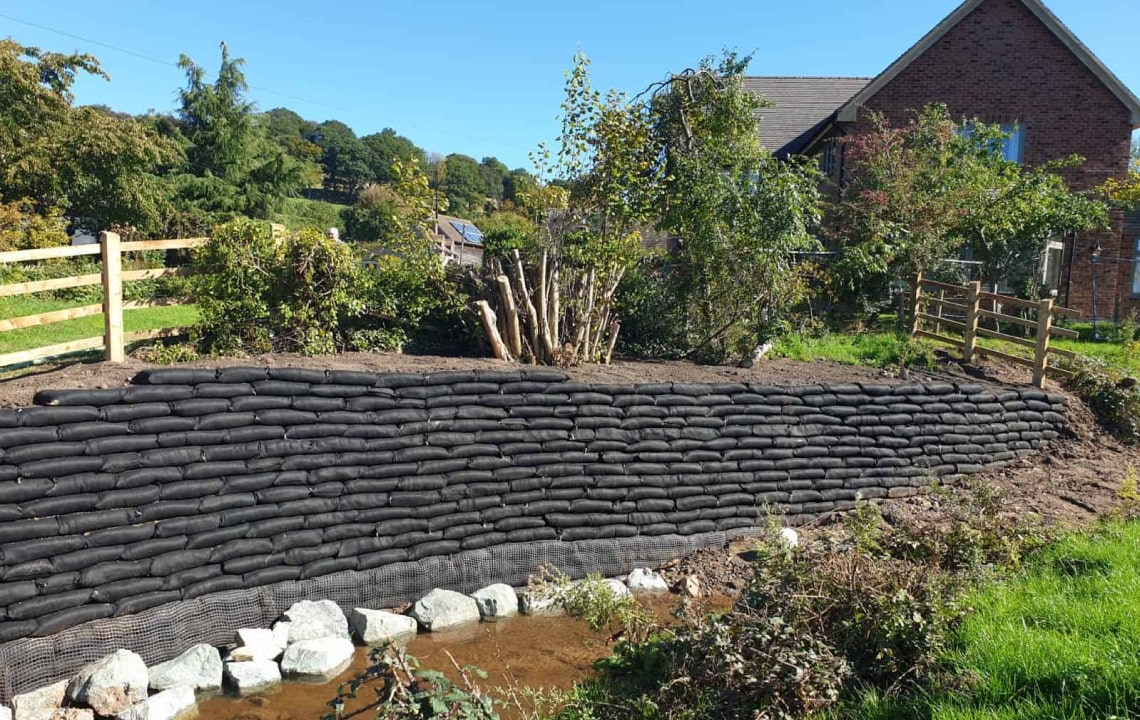
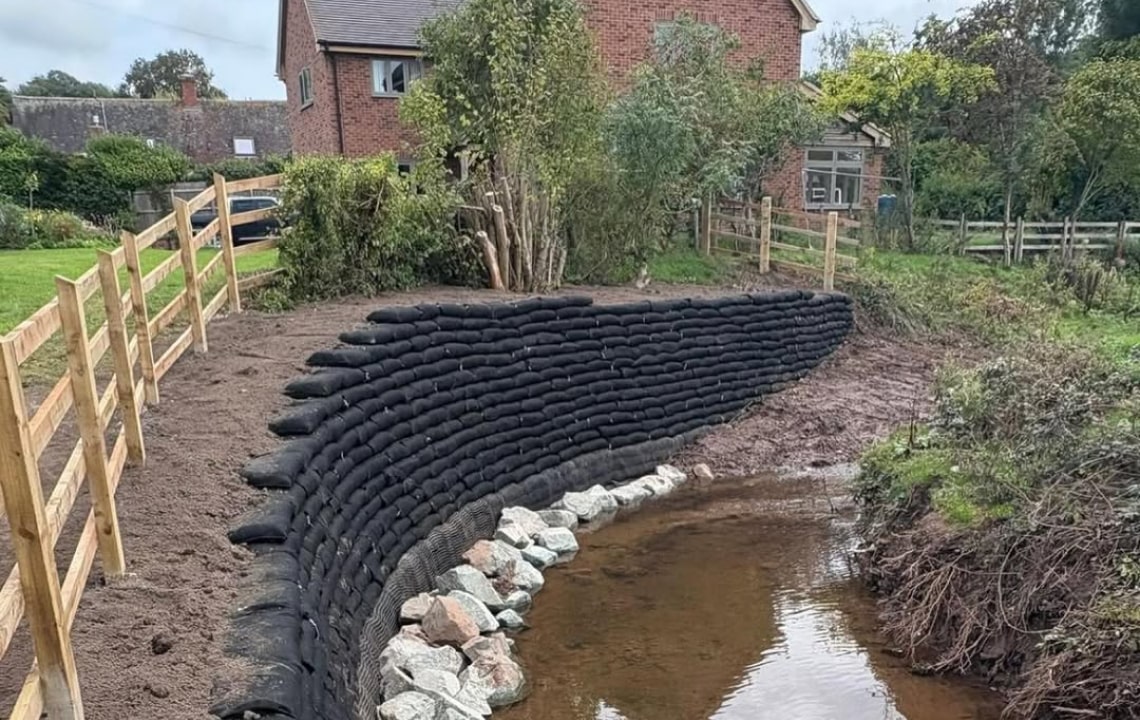
Why are they important?
Without retaining walls, many sites would be unsafe or unbuildable. These structures prevent landslides, erosion, and subsidence, all of which can damage property and endanger lives. They also protect infrastructure — from roads and utilities to housing foundations — by stabilising the ground beneath and around them.
Retaining walls are not only about immediate stability; they are a long-term investment in safety, usability, and sustainability. By providing controlled ground support, they reduce future maintenance costs and preserve both the built and natural environment.
How do they work?
Retaining walls resist the natural pressure of soil through weight, engineering design, or reinforcement. Depending on the system used, they may rely on gravity, cantilevered supports, anchoring, or geosynthetic reinforcement to hold back earth and prevent movement. Drainage elements are often incorporated to reduce water build-up, which is a major cause of wall failure.
By understanding soil mechanics, load pressures, and environmental conditions, engineers can design retaining walls that balance forces safely and effectively. The result is a structure that not only holds back the ground but integrates with the landscape for lasting performance.

